The Importance of High-Visibility Clothing on the Roadside
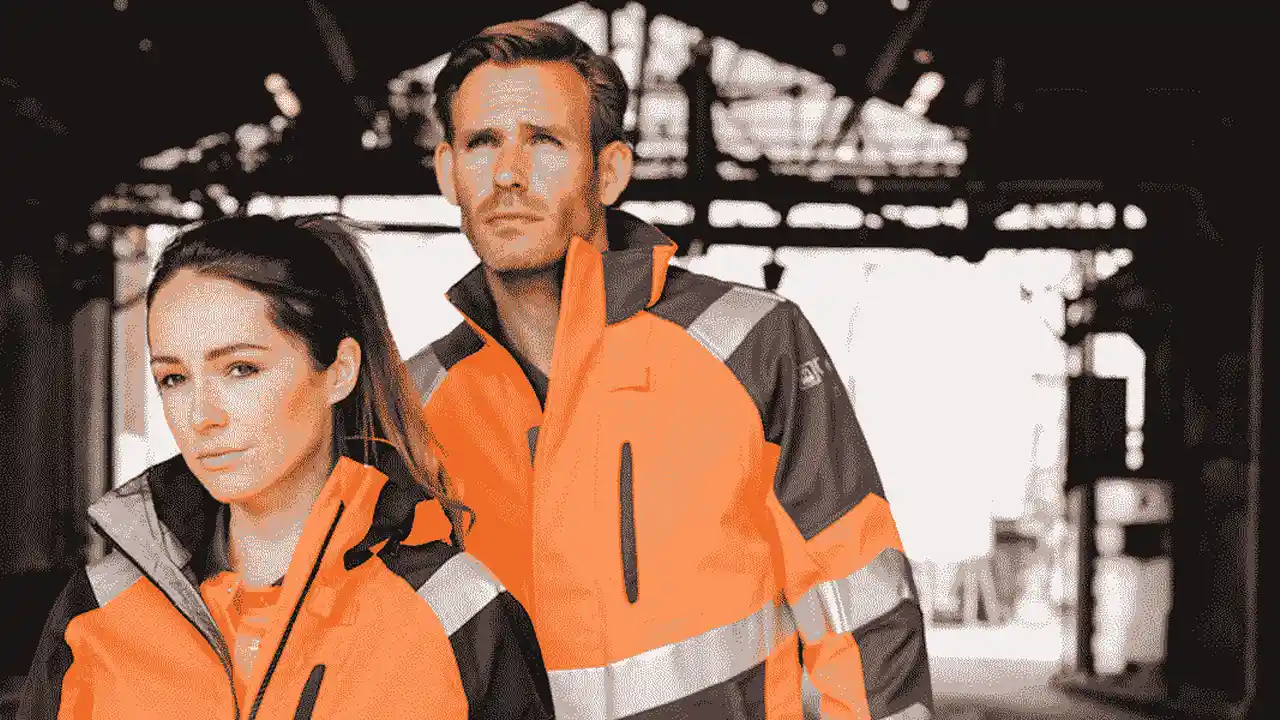
Why High-Visibility Clothing is a Must for Roadside Safety Visibility
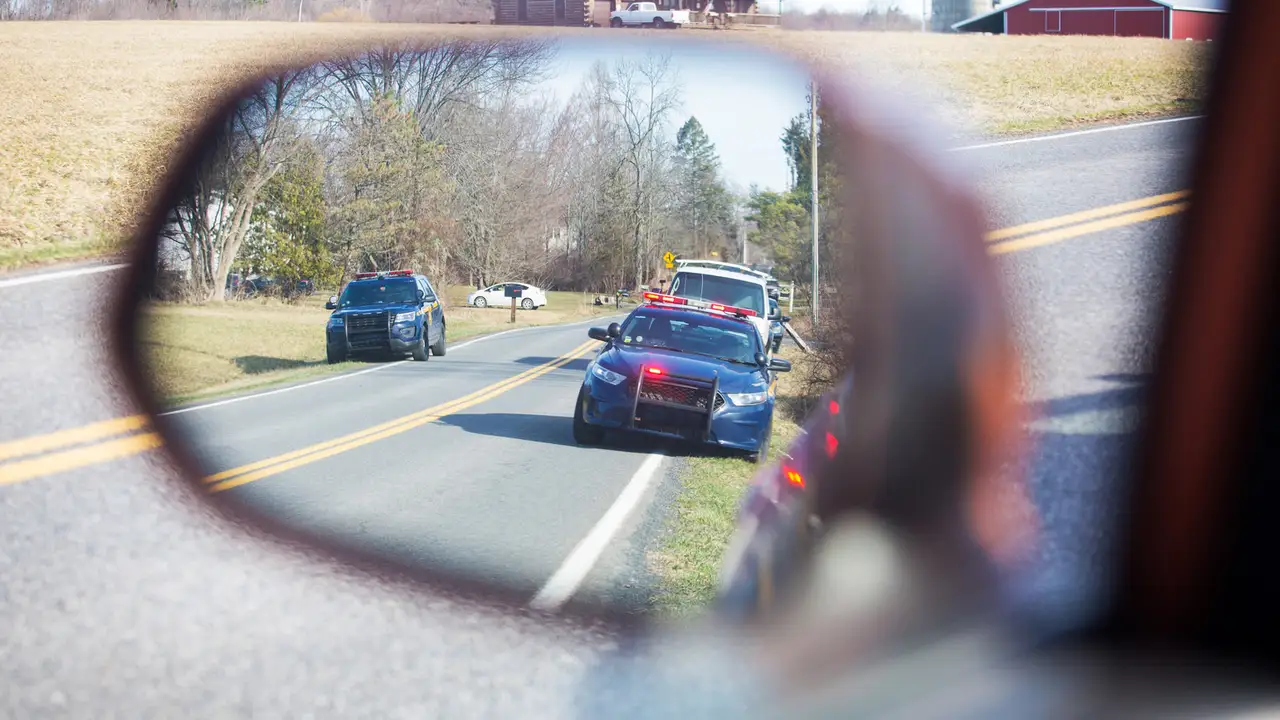
Okay, let's talk roadside safety. You're out there, maybe helping someone with a flat tire, maybe you're a tow truck driver, or even just changing your own tire. The last thing you want is to become part of the problem. That's where high-visibility clothing comes in. It's not just a suggestion; it's a critical piece of gear that can literally save your life. We're talking bright colors, reflective stripes – the whole shebang. Think of it as your personal force field against distracted drivers and low-light conditions.
Think about it: a dark or neutral-colored outfit blends into the background, especially at dusk, dawn, or in bad weather. A driver's reaction time is drastically reduced when they can't see you clearly. High-visibility clothing breaks that camouflage, making you instantly noticeable. It's all about giving drivers enough time to react and avoid a collision.
Understanding ANSI Standards and Safety Ratings for Roadside Visibility Gear
So, you're convinced you need high-visibility clothing. Great! But not all bright clothing is created equal. That's where ANSI (American National Standards Institute) standards come in. ANSI sets the bar for high-visibility safety apparel, ensuring it meets specific performance requirements for color, retroreflectivity, and design. Look for the ANSI label on any high-visibility clothing you buy. It's your guarantee that the garment has been tested and certified to meet these standards.
The most common ANSI standard you'll see is ANSI/ISEA 107. This standard covers different performance classes, usually Class 2 and Class 3. Class 2 is generally for workers who need greater visibility and are working in areas with traffic moving at 25 mph or higher. Class 3 provides even greater visibility and is required for workers in areas with traffic moving at 50 mph or higher. Think highway construction crews, tow truck operators on busy roads, or emergency responders.
Understanding these ratings is crucial. Don't just grab the brightest thing you see. Make sure it meets the ANSI standard and is appropriate for the environment you'll be working in. A Class 2 vest might be fine for a quick roadside repair, but a Class 3 jacket is essential for someone working on a busy highway.
Choosing the Right High-Visibility Clothing for Different Roadside Scenarios Traffic Safety
Okay, let's get practical. What kind of high-visibility clothing should you choose? It really depends on the situation. Here's a breakdown:
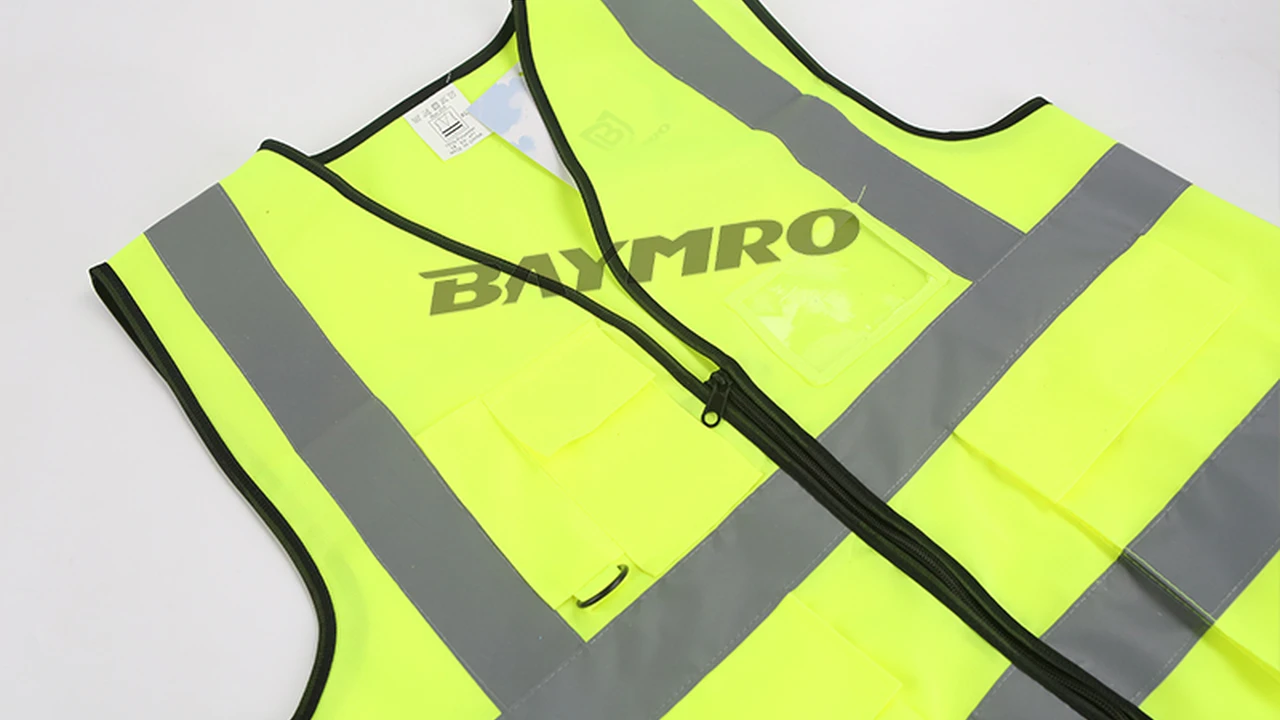
- Vests: These are a great all-around option for quick tasks. They're lightweight, easy to put on and take off, and provide good visibility. Look for vests with reflective stripes that wrap around the torso for 360-degree visibility.
- Jackets: For colder weather or more demanding tasks, a high-visibility jacket is a must. Choose a jacket with a waterproof or water-resistant outer shell and plenty of pockets for storing tools and equipment. Again, make sure it meets ANSI standards and has ample reflective material.
- Pants/Bibs: For maximum visibility, consider high-visibility pants or bibs. These are especially useful for workers who spend a lot of time bending or kneeling, as they provide lower-body visibility.
- Gloves: Don't forget your hands! High-visibility gloves can help signal drivers and prevent hand injuries.
- Headwear: A high-visibility hard hat or beanie can make a big difference, especially in low-light conditions.
Consider the environment you'll be working in. Are you working in hot weather? Choose breathable fabrics that wick away moisture. Are you working in cold weather? Choose insulated garments that will keep you warm. Are you working around moving machinery? Choose clothing that fits snugly and won't get caught.
Product Recommendations and Comparisons: High-Visibility Clothing Options
Alright, let's get down to some specific product recommendations. Keep in mind that prices can vary depending on the retailer and any ongoing sales. I'll give you a general price range to give you an idea of what to expect.
Product 1: Radians SV55-2ZGD Heavy Duty Surveyor Safety Vest - Class 2
Description: This is a solid, all-around Class 2 vest. It's made from a durable polyester mesh and features multiple pockets for storing tools and equipment. It also has a zipper closure for a secure fit.
Pros: Durable, lots of pockets, good visibility.
Cons: Can be a bit bulky in hot weather.
Typical Uses: Construction, road work, traffic control.
Price Range: $25 - $35
Product 2: Kishigo Brilliant Series Class 3 Heavy Duty Rain Jacket
Description: A high-quality, waterproof Class 3 jacket. It's made from a breathable fabric and features a detachable hood, multiple pockets, and adjustable cuffs.
Pros: Waterproof, breathable, excellent visibility, detachable hood.
Cons: More expensive than a vest.
Typical Uses: Emergency response, highway work, inclement weather.
Price Range: $100 - $150
Product 3: G & F 1675 Hi Vis Reflective Safety Work Gloves
Description: These gloves offer both hand protection and enhanced visibility. They feature a bright neon color and reflective strips, making your hand signals clear and easy to see.
Pros: Affordable, adds visibility to hand movements, good for general work.
Cons: Not designed for heavy-duty tasks.
Typical Uses: Guiding traffic, signalling, general roadside assistance.
Price Range: $10 - $15
Product Comparison
When choosing between a vest and a jacket, consider the weather conditions and the level of visibility you need. A vest is a good option for warm weather and quick tasks, while a jacket is better for cold weather and more demanding tasks. Also, think about the tasks you'll be performing. If you need to carry a lot of tools, a vest or jacket with multiple pockets is essential. If you're working around moving machinery, choose clothing that fits snugly and won't get caught.
The Legal and Ethical Implications of Roadside Safety Visibility Compliance
Beyond personal safety, there are often legal and ethical considerations surrounding high-visibility clothing. Many jurisdictions have laws requiring workers in certain industries to wear high-visibility apparel. These laws are designed to protect workers from injury and death.
But even if there isn't a specific law requiring high-visibility clothing, there's an ethical obligation to protect yourself and others. Wearing high-visibility clothing shows that you're taking your safety seriously and that you're committed to preventing accidents. It's a simple step that can make a big difference.
Maintenance and Care Tips for Prolonging the Life of Your High-Visibility Gear
To get the most out of your high-visibility clothing, it's important to take care of it properly. Follow these tips:
- Wash your clothing regularly. Dirt and grime can reduce the effectiveness of the reflective material.
- Use a mild detergent and avoid bleach. Harsh chemicals can damage the fabric and reflective material.
- Hang your clothing to dry. Tumble drying can shrink the fabric and damage the reflective material.
- Store your clothing in a cool, dry place. Avoid storing it in direct sunlight, which can fade the colors and degrade the fabric.
- Inspect your clothing regularly for damage. Replace any garments that are torn, faded, or have damaged reflective material.
By following these tips, you can prolong the life of your high-visibility clothing and ensure that it continues to provide the protection you need.
Real-Life Examples and Case Studies Demonstrating the Effectiveness of High-Visibility Apparel
There are countless stories of people whose lives were saved by high-visibility clothing. From construction workers who were nearly hit by cars to tow truck drivers who were able to avoid accidents, high-visibility apparel has proven its worth time and time again.
For example, a study by the National Institute for Occupational Safety and Health (NIOSH) found that high-visibility clothing reduced the risk of being struck by a vehicle by 65%. That's a significant reduction in risk, and it highlights the importance of wearing high-visibility apparel in hazardous environments.
These stories and studies demonstrate that high-visibility clothing is not just a fashion statement; it's a critical piece of safety equipment that can save lives.
Staying Updated on the Latest Innovations in Roadside Safety and Visibility Technology
The field of roadside safety is constantly evolving. New technologies and materials are being developed all the time to improve visibility and protect workers. Stay informed about the latest innovations by:
- Reading industry publications.
- Attending safety conferences.
- Following safety organizations on social media.
- Talking to your safety equipment supplier.
By staying informed, you can ensure that you're using the best possible equipment to protect yourself and others. Keep an eye out for advancements like improved reflective materials, smart fabrics that change color based on ambient light, and wearable technology that alerts drivers to your presence.
Final Thoughts: Making a Commitment to Roadside Safety Through Enhanced Visibility
Roadside safety is everyone's responsibility. By wearing high-visibility clothing, you're not only protecting yourself; you're also protecting others. Make a commitment to roadside safety by choosing the right high-visibility apparel and wearing it whenever you're working near traffic. It's a simple step that can make a big difference.
:max_bytes(150000):strip_icc()/277019-baked-pork-chops-with-cream-of-mushroom-soup-DDMFS-beauty-4x3-BG-7505-5762b731cf30447d9cbbbbbf387beafa.jpg)